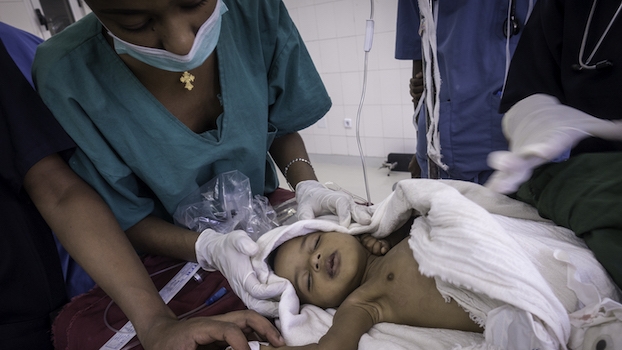
Tackling a common and devastating complication of surgery to improve maternal health
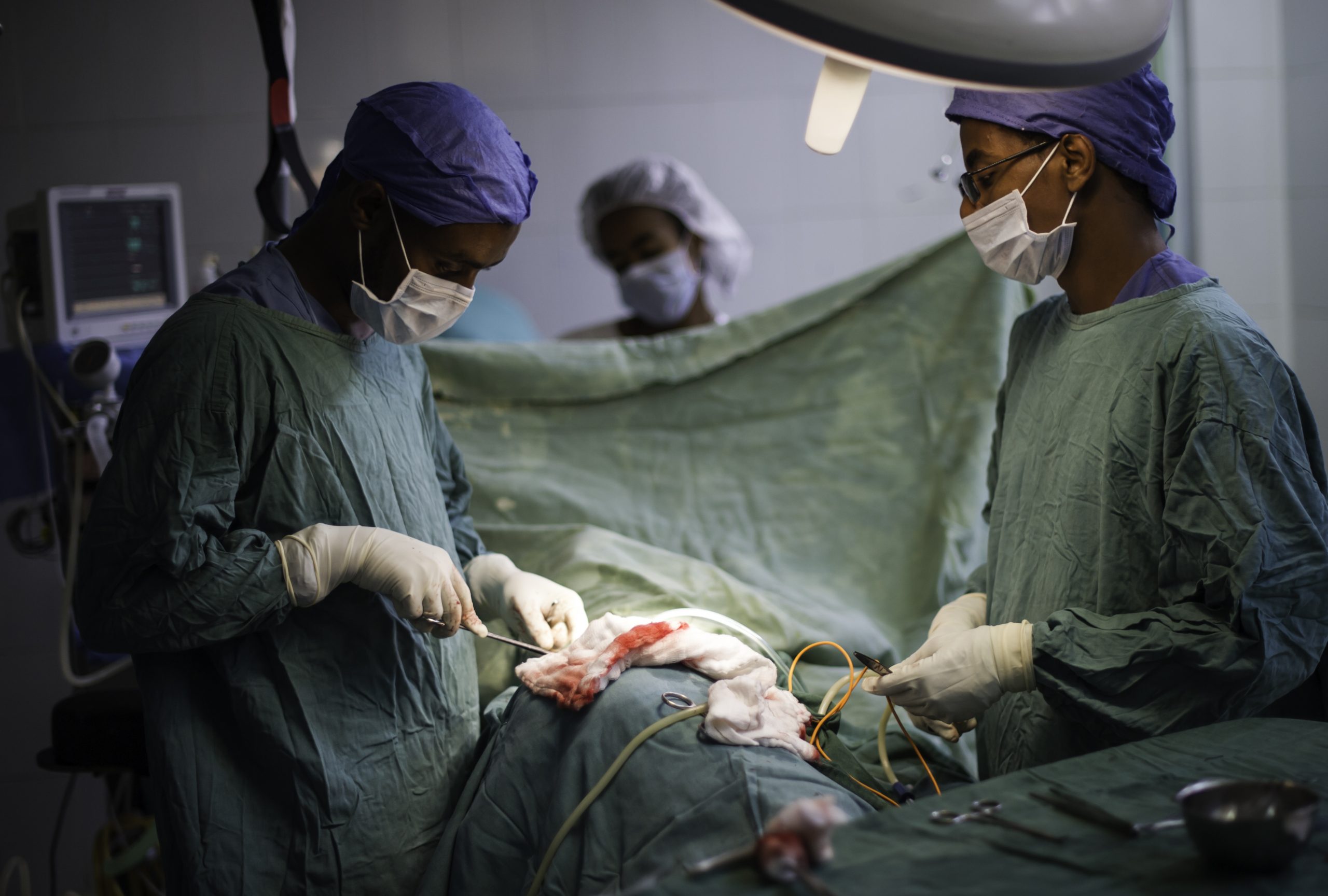
Cesarean section (C-section) is the most commonly performed major operation in the world. Patients undergoing C-sections are at risk of surgical site infection (SSI) – a common and devastating complication of surgery. Infection rates are particularly high in low- and middle-income countries (LMICs).
Lifebox is working with partners to adapt its surgical infection reduction program – Clean Cut – to improve the safety of C-sections in Ethiopia where the majority of C-sections are essential surgical procedures. In Ethiopia, there is an estimated SSI rate following C-section of 9% and infections and complications following C-sections are estimated to cause 15% of maternal deaths in the country.
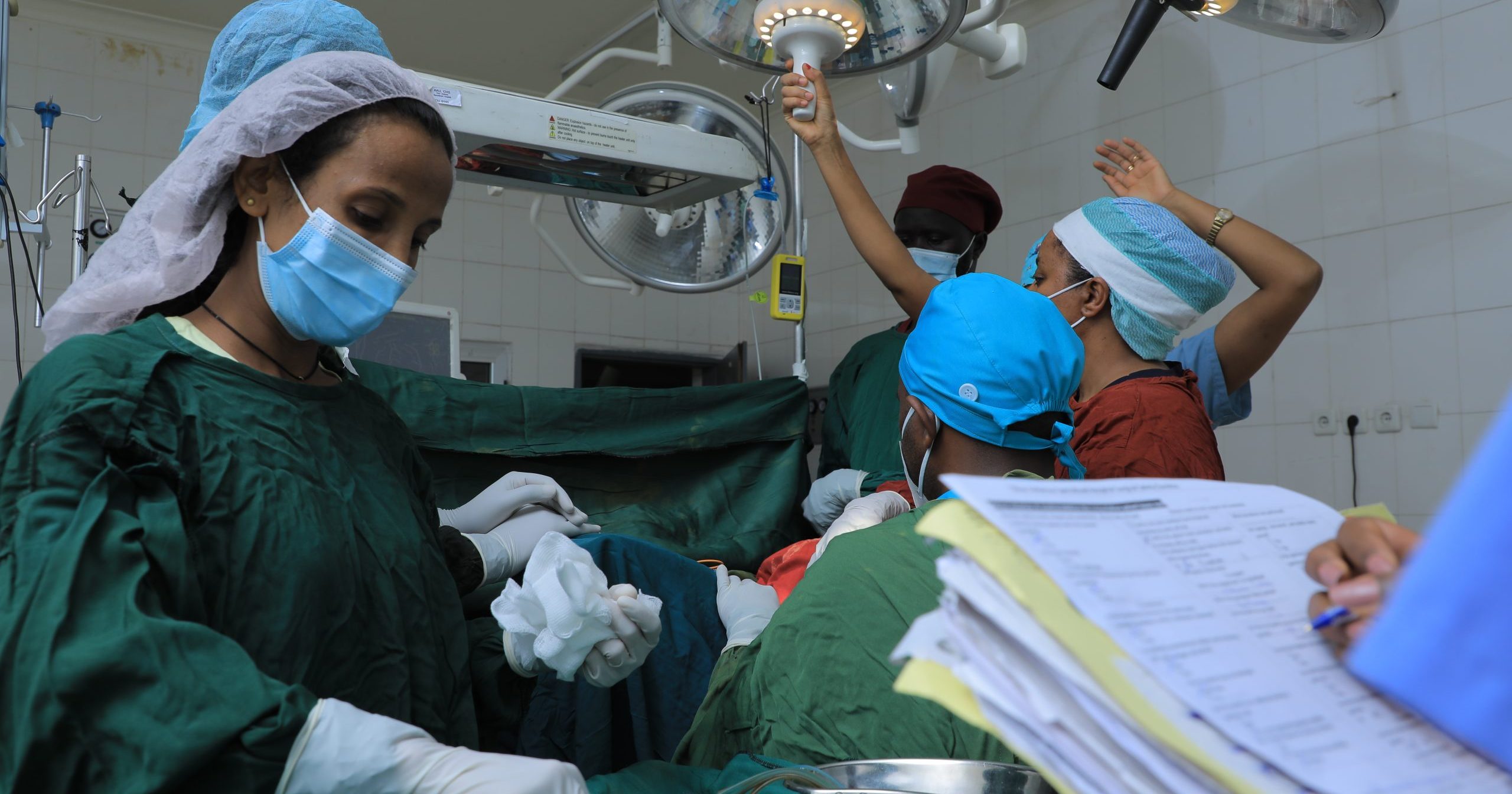
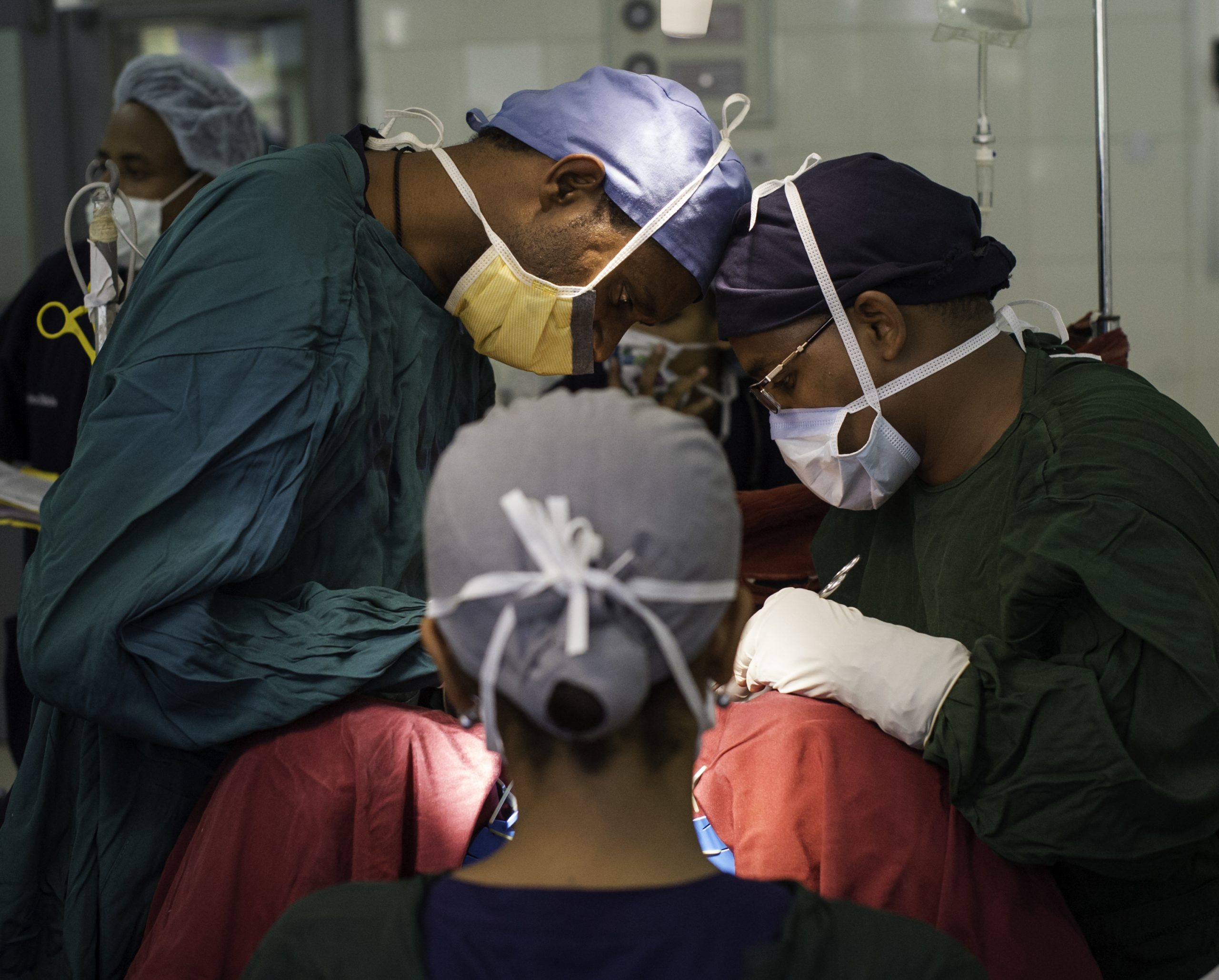
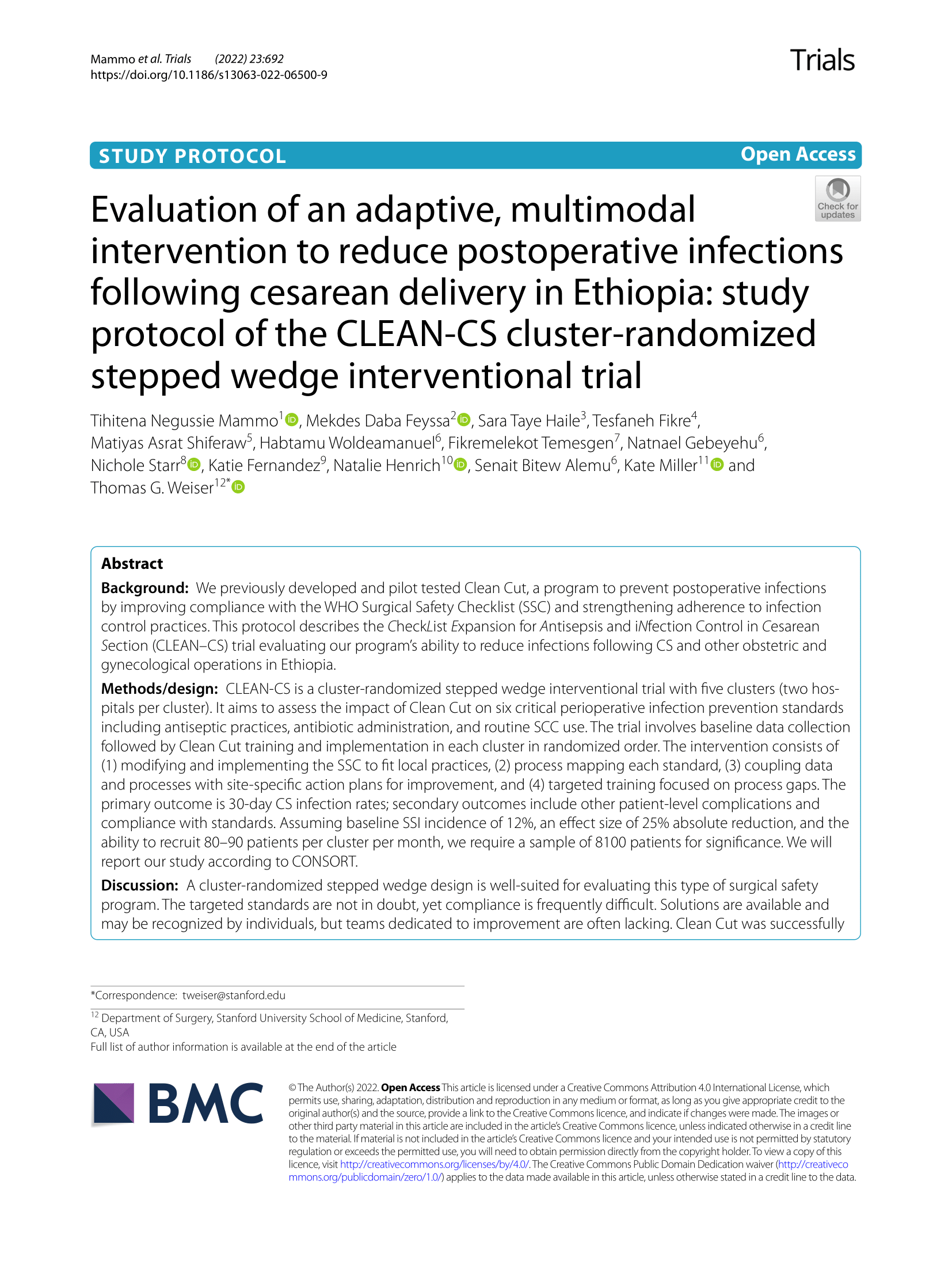
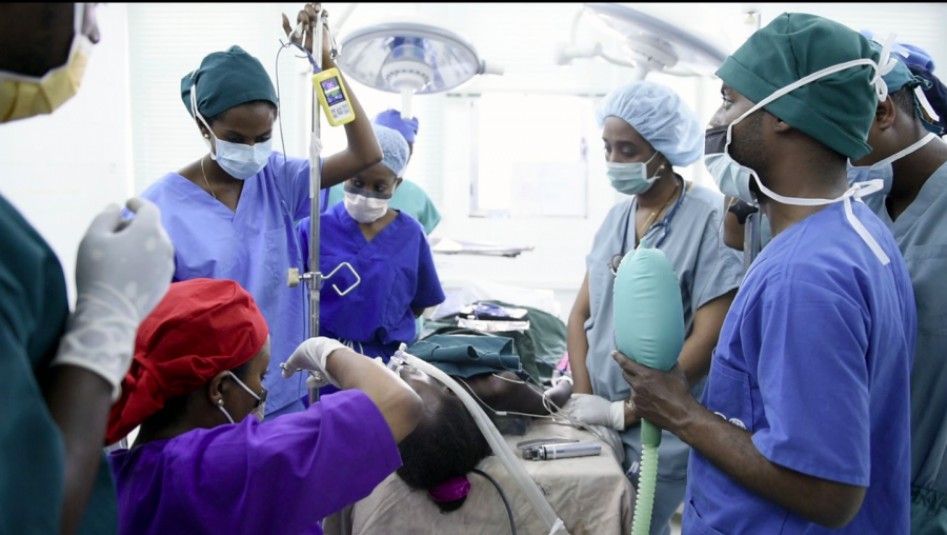
From June 2021 to August 2023, Lifebox adapted its surgical infection reduction program – Clean Cut – to specifically improve the safety of C-sections in Ethiopia, where the majority of C-sections are essential surgical procedures. The program was implemented at nine maternity hospitals in Ethiopia as part of a rigorous study to evaluate its impact on C-section care and improve the safety of women undergoing this common operation. Over 10,000 patients have been enrolled and followed across sequential intervention phases.
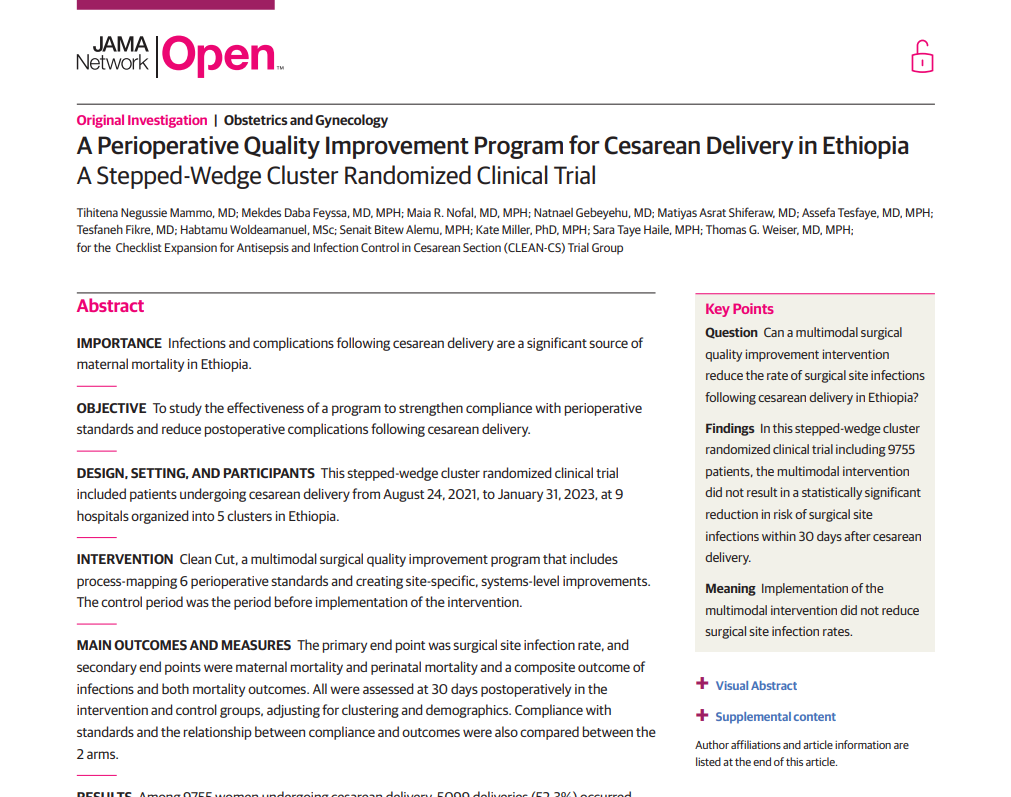
The Clean Cut for C-Section, a randomized stepped-wedge clinical trial, was effectively implemented over a two-year period across nine maternity hospitals in Ethiopia. The findings were published in JAMA Open in August 2024. The adaptation of Clean Cut for C-sections is part of a randomized control trial called CLEAN-CS.
“Surgical site infections from C-sections are a leading cause of harm for mothers in Ethiopia. By supporting Lifebox to adapt ‘Clean Cut’ – a proven program to reduce surgical infections – for C-sections, this grant funded by UBS Optimus Foundation as part of the Bill & Melinda Gates Foundation’s Grand Challenges initiative will enable Lifebox and partners to drive lasting improvements in maternal health across the country and, we hope, beyond.”
Dr. Tihitena Negussie Mammo, Program PI, Lifebox Global Clinical Director, surgeon, Addis Ababa.
Read our publications on Clean Cut
Clean Cut for Cesarean Section trial in Ethiopia improves surgical compliance and reduces mortality following cesarean sections
A groundbreaking study published in JAMA Network Open has revealed the significant impact of Clean Cut, a Lifebox program to strengthen perioperative care practices.
As with all of Lifebox’s work, our aim is to reach scale, partnering with the Ethiopian Society of Obstetricians and Gynecologists, the Ethiopian Federal Ministry of Health, and Ariadne Labs – a joint center for health systems innovation at Brigham and Women’s Hospital and Harvard T.H. Chan School of Public Health – to replicate this work across Ethiopia before scaling the approach in other resource-limited settings.
“Clean Cut was able to leverage teamwork and multidisciplinary action to dramatically improve compliance with essential perioperative infection prevention standards. This improvement in adherence to such critical standards resulted in profound reductions in postoperative infections. This Grand Challenge Initiative allows for a rigorous study of Clean Cut and its impact on the safety of C-sections.”
Dr. Thomas Weiser, Program PI, Lifebox Consulting Medical Officer, Associate Professor of Surgery, Stanford University
Thank you to the Bill & Melinda Gates Foundation Grand Challenges initiative and UBS Optimus Foundation for supporting Lifebox’s work to improve the safety of emergency obstetric care in Ethiopia to save women’s lives.
“The Ethiopian Society of Obstetricians and Gynecologists is delighted to partner with Lifebox to tackle the morbidity and mortality faced by Ethiopian mothers from complications arising from cesarean sections. We see firsthand the toll this takes on families across our country and we look forward to implementing change.”
Dr. Mekdes Daba, Program PI, President Ethiopian Society of Obstetricians and Gynecologists
Clean Cut
Our quality improvement program to reduce surgical infection