Nursing Leadership for Surgical Excellence

Building perioperative nurses into leaders for safer surgical care in Ethiopia and Rwanda

Nurses are present at every stage of a surgical patient’s journey, before, during, and after the operation. Yet in many low-resource hospitals, they’re given little of the training, mentorship, or leadership opportunity that role deserves. The result is a gap in quality improvement that surgical teams, and their patients, feel every day.

When Lifebox surveyed perioperative nurses and surgical teams, the message was clear: nurses wanted more confidence and skill in leadership, research, communication, and advocacy , and they wanted the chance to lead change in their own hospitals, not just follow protocol.

NLSE was built to answer that.
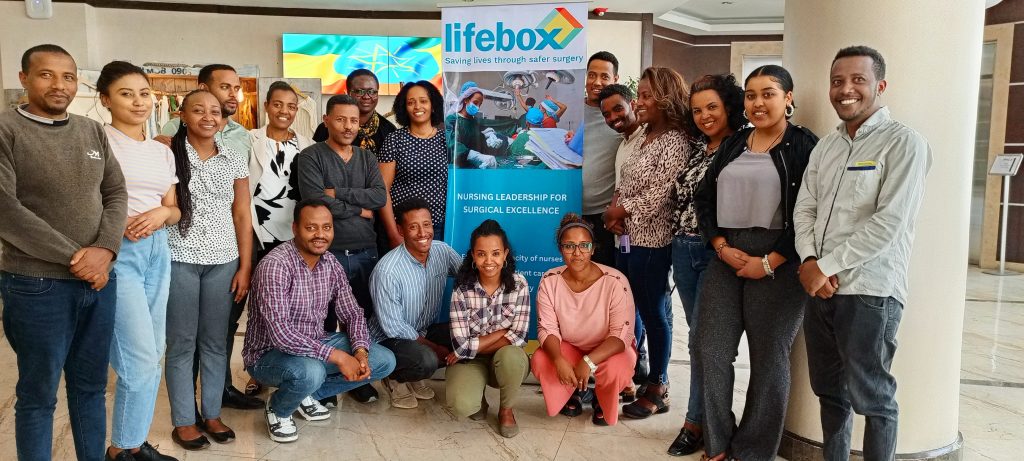
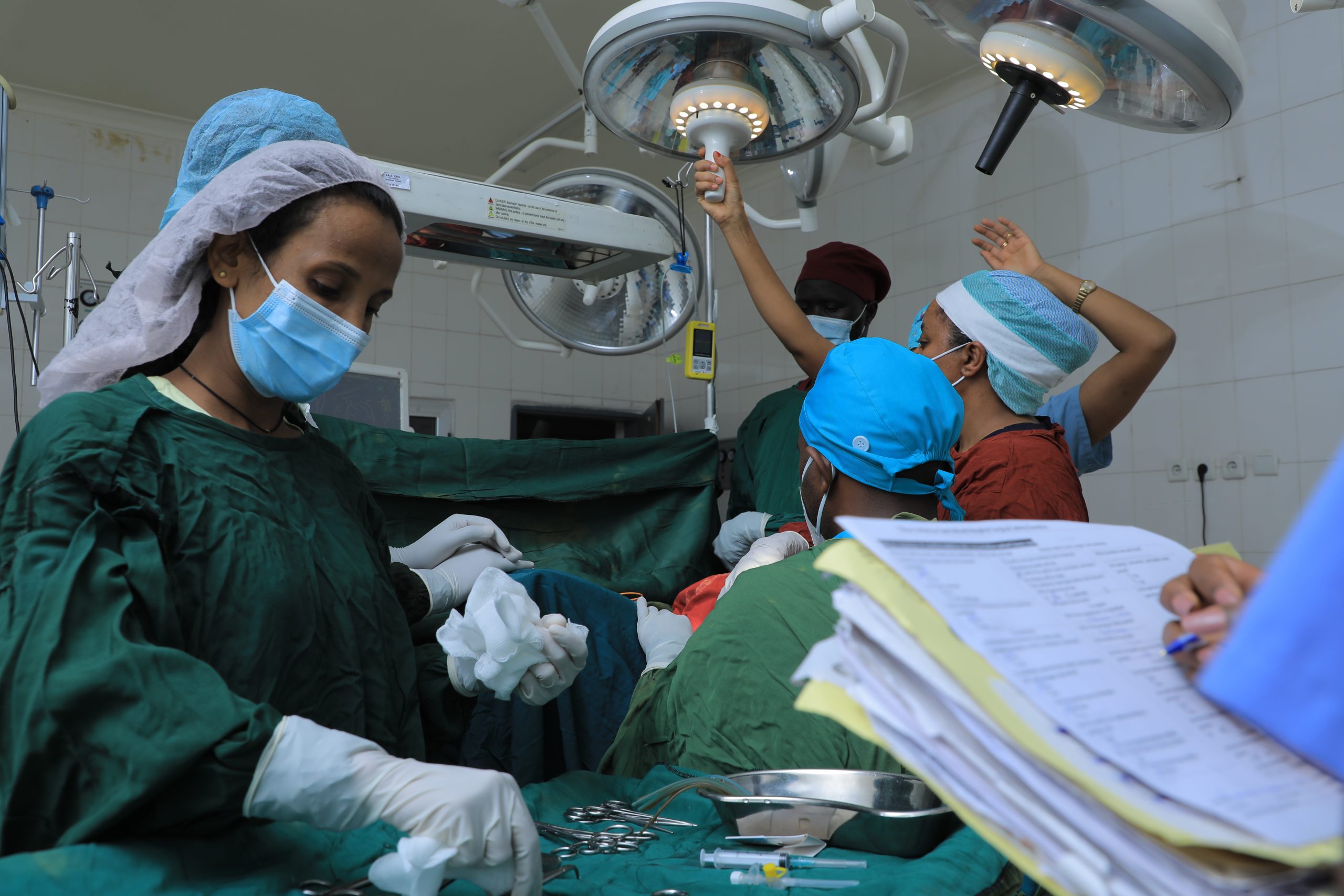
LIfebox Nursing Leadership for Surgical Excellence Fellows, Mentors, and team, Addis Ababa, Ethiopia

  • 22

    Fellows

    trained

  • 282

    health workers

    reached with quality-improvement training

  • 7

    QI projects

    completed or underway

“Doctors cannot operate without a nurse. Anesthetists cannot intubate without assistance from a nurse. Cleaners cannot ensure that the hospital is clean and infection free without the guidance of nurses. After a surgeon or the anesthetist is done [in the operating room], they will leave the care of the patient to the nurse. Even before surgery, preparation for the patients is handled by the nurse. Nursing is the core foundation when it comes to health.”
Belinda Karimi, Nurse Mentor, Nursing Leadership for Surgical Excellence Program, Lifebox

About the Nursing Leadership for Surgical Excellence (NLSE) program

The Nursing Leadership for Surgical Excellence (NLSE) program  is designed to improve perioperative nursing care and patient outcomes in low- and middle-income countries, through fellowships that build clinical leadership and quality-improvement skills.

Each NLSE Fellow completes evidence-based training with mentorship. They then lead a quality improvement project by identifying existing care gaps in their health facilities at the surgical ward, operating room, or post-anesthesia care unit (PACU). They address the gaps by applying current and evidence based interventions

The NLSE fellowship runs over nine months

Where we work

We have implemented the NLSE project in 4 facilities in 2 countries, Ethiopia & Rwanda:

  • Tikur Anbessa Specialized Hospital, Ethiopia
  • St. Paul’s Hospital Millennium Medical College, Ethiopia
  • St. Peter’s Specialized Hospital, Ethiopia
  • Butaro Level Two Teaching Hospital, Rwanda

The program is delivered in partnership with the Ministries of Health and professional nursing associations in both countries.

"I see a lack of communication and collaboration among doctors and nurses and this impacts patients. I believe Lifebox’s NLSE program will start closing those gaps. The project indicates the importance of ensuring patient safety by all - cleaners, laundry staff, nurses, and physicians . All have to team up to ensure this. Most importantly nurses are advocates for patients.”
Sr. Asselefech Negewo, Tikur Anbessa Specialized Hospital, Nursing and Midwifery Service Directorate Director, Ethiopia
Why it matters

Safe surgery depends on strong teams, not just skilled surgeons. Investing in nurse leadership closes a gap that ripples across the whole surgical pathway, from pre-op preparation to post-op recovery, and builds the kind of local, sustainable leadership that keeps improving care long after a program ends.

So far, NLSE has trained 22 Fellows, reached 282 health workers with quality-improvement training, and produced 7 quality-improvement projects completed or underway across our partner hospitals.

Help train the next generation of nursing leaders.

Your support funds fellowships, mentorship, and the quality-improvement projects that are making surgery safer for patients across Ethiopia and Rwanda.

Donate

Join Lifebox for Safe Surgery Updates

Sign up now

Make a lifesaving difference today

Donate now